
Spanlens
Open-source LLM observability: log cost, latency, tokens, and agent traces for every OpenAI, Anthropic, Gemini, or Ollama call with a one-line baseURL swap. Self-hostable, MIT.
Spanlens is an open-source (MIT) LLM observability platform that lets developers monitor every call their application makes to OpenAI, Anthropic, Gemini, Mistral, OpenRouter, Azure OpenAI, or a local Ollama model. Integration takes one line: swap your client's baseURL to the Spanlens proxy, or run "npx @spanlens/cli init" and the wizard rewrites your code automatically. From that moment, every request is recorded with its model, token counts, latency, cost, and full prompt and response body, with streaming responses reconstructed automatically.
The dashboard turns that raw log into operational insight. Cost tracking breaks spend down per request, per model, and per end user, and parses prompt-cache tokens separately so you see real cache savings rather than sticker price. Agent tracing visualizes multi-step workflows as Gantt waterfalls and node-and-edge graphs, highlighting the critical path so you can find the slowest dependency chain in a fan-out. Anomaly detection flags 3-sigma deviations in latency, cost, or error rate against a rolling 7-day baseline with root-cause hints. Alerts on budget, error rate, and p95 latency are delivered to Email, Slack, or Discord.
Spanlens goes beyond passive logging. A regex-based PII and prompt-injection scanner inspects request and response bodies and can block injections at the proxy. The savings engine spots calls that match a cheaper model's profile (for example, a gpt-4o call that looks like a classification task) and estimates the monthly saving from switching. Prompt versioning with A/B experiments compares versions on latency, cost, and error rate using Welch's t-test for statistical significance, and an LLM-as-judge evaluation framework (judge with OpenAI, Anthropic, or Gemini) scores outputs against rubric anchors, with human agreement measured by Pearson r or Cohen's kappa. Reusable datasets power offline evals and regression checks.

Spanlens Alternatives Free and Paid
Explore other popular AI tools for Development.
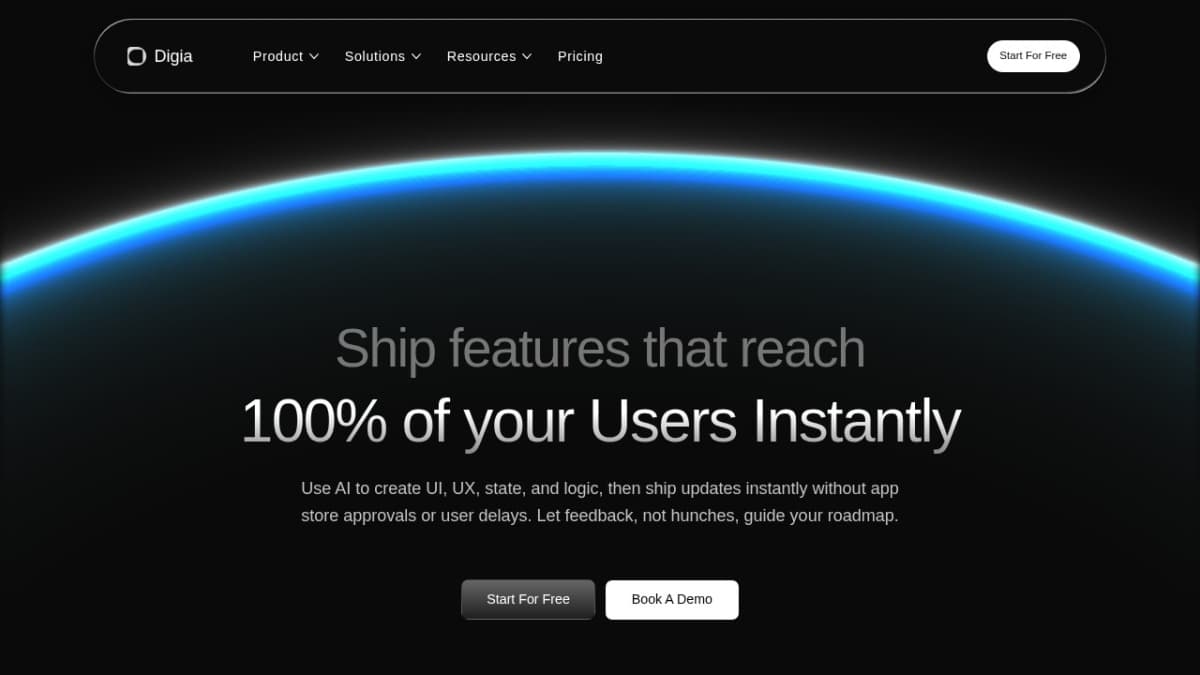
digia studio
Digia is a low-code app builder that lets brands launch fully native apps instantly. With server-driven releases, update flows in real-time without rebuilds or app store approvals
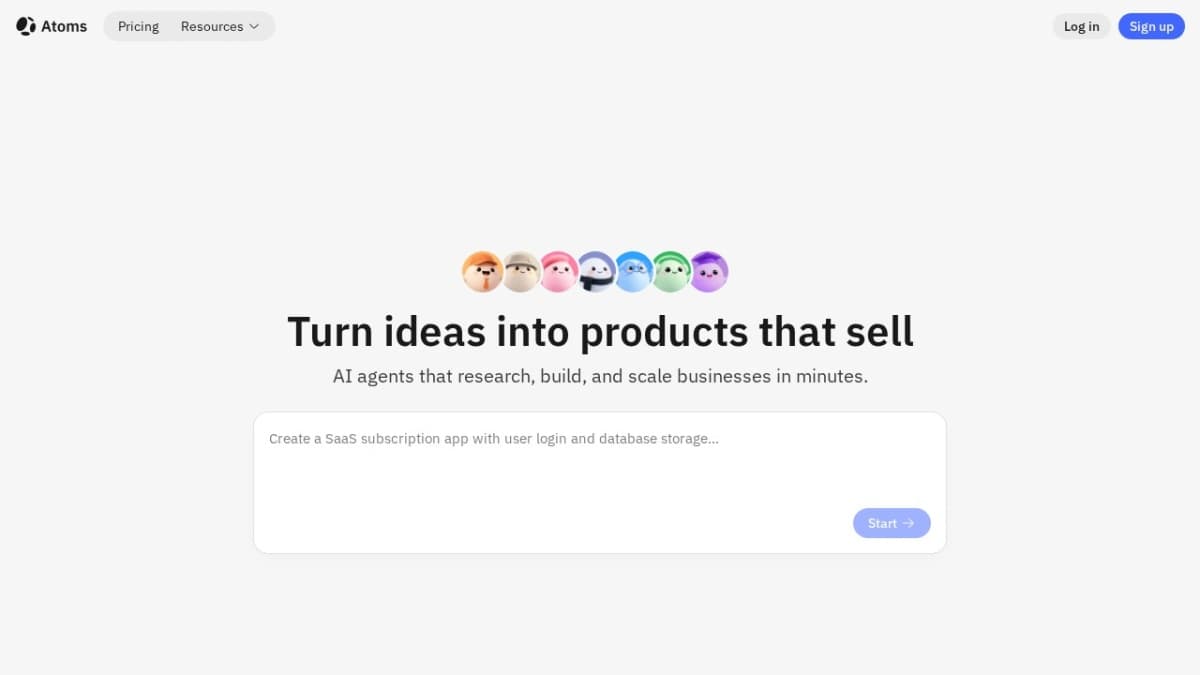
Atoms AI
AI vibe business team that turns your ideas into business

Meshes
Meshes is the outbound integration layer for SaaS products. Emit one event, and Meshes routes, retries, and delivers it to HubSpot, Salesforce, Slack, Mailchimp, and other downstream tools.
Unfil AI
Access 30+ uncensored models at 50% lower prices. Unfil AI offers the market’s cheapest text, image, and audio generation, secured by strict no-logs privacy and anonymous crypto payments.